
Tree Health Audits & Deep Root Fertilization in Lewisville, TX
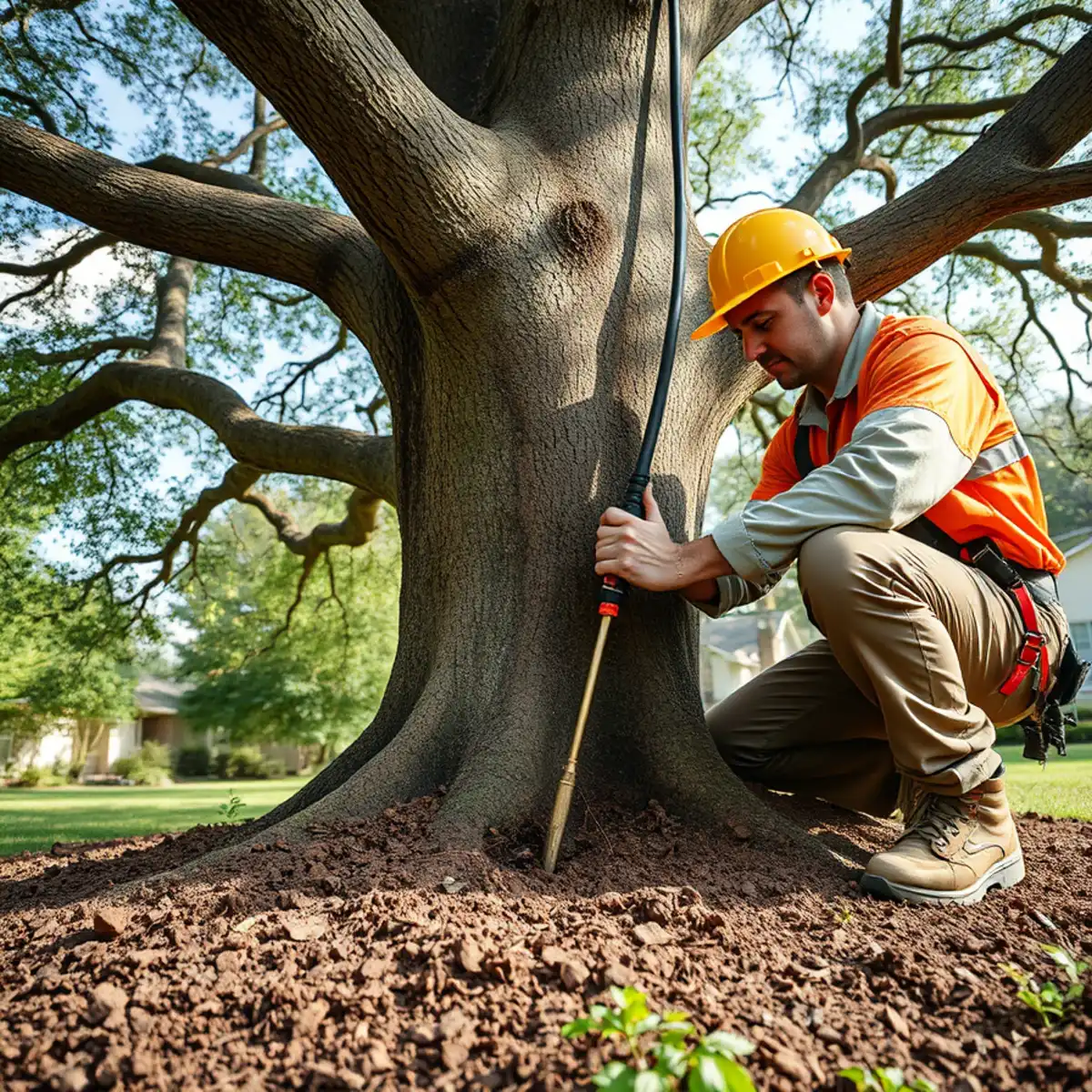
Tree health audits and deep root fertilization in Lewisville, TX is the high-pressure subsurface injection of specialized liquid micronutrients, mycorrhizal fungi, and organic biostimulants directly into the active feeder root zone (6 to 8 inches deep) across a tree's drip line. North Texas shade trees struggle under dense, alkaline Houston Black clay that chemically binds essential minerals like iron and manganese, leading to chronic iron chlorosis, premature summer canopy dieback, and stunted growth. YardaBella LLC Home Services deploys customized, low-salt arborist nutrient formulas with chelated iron and biological inoculants to break through clay compaction, stimulate robust root expansion, and restore radiant green foliage.
Get an Estimate for Tree Health Audits & Fertilization
Serving Lewisville, Denton County & surrounding DFW cities.
Request Your Free Written Estimate
Direct dispatch from our Lewisville hub. No hidden fees, no obligation.
Rebuilding Root Health in Tough North Texas Clay
In the wild forest, trees naturally receive nutrients from decomposing leaf litter and uncompacted organic soil. In our suburban yards, we rake away all fallen leaves, pave over root zones with driveways, and subject the soil to constant foot traffic and heavy mowing equipment. Compounded by alkaline Blackland Prairie clay and brutal summer droughts, our residential shade trees suffer chronic nutrient deficiency.
At YardaBella LLC Home Services, our deep root fertilization treatments bypass surface turf competition. Using high-pressure injection probes, we deliver custom-blended liquid macro- and micro-nutrients directly into the active feeder root zone, 6 to 8 inches beneath the soil surface.
Blackland Prairie Soil Compaction: How High-Pressure Injections Restore Soil Aeration
North Texas Houston Black clay is famous for expanding when wet and shrinking into rock-hard fissures when dry. Years of pedestrian traffic, lawn mowers, and rainfall pack this clay so tightly that microscopic pore spaces collapse. As a consequence, tree roots suffer from severe oxygen starvation. Without oxygen in the root zone, trees cannot absorb water or minerals, leading to canopy decline, premature autumn coloring in August, and increased susceptibility to hypoxylon canker.
Our deep root fertilization system acts as a mechanical aerator. As the probe injects liquid at 150 to 200 PSI, the sudden burst of hydraulic pressure fractures the compacted clay, creating thousands of tiny fissures and subterranean channels. Air and moisture immediately infiltrate these fractures, while our humic acid and mycorrhizae inoculants establish healthy microbial colonies that permanently loosen the soil around delicate feeder roots.
Chelated Iron Injections for Iron Chlorosis
One of the most common sights in Lewisville, Flower Mound, and Highland Village is a towering red oak or maples with bright yellow, washed-out leaves while the leaf veins remain green. This condition is iron chlorosis, caused not by a lack of iron in the earth, but by high soil alkalinity that chemically binds iron molecules, preventing roots from absorbing them.
Our arborists inject specialized chelated iron formulations that remain chemically available in alkaline clay. Coupled with organic biostimulants, mycorrhizal fungi, and slow-release nitrogen, our treatments restore deep emerald green foliage, boost drought resilience, and extend tree lifespans.
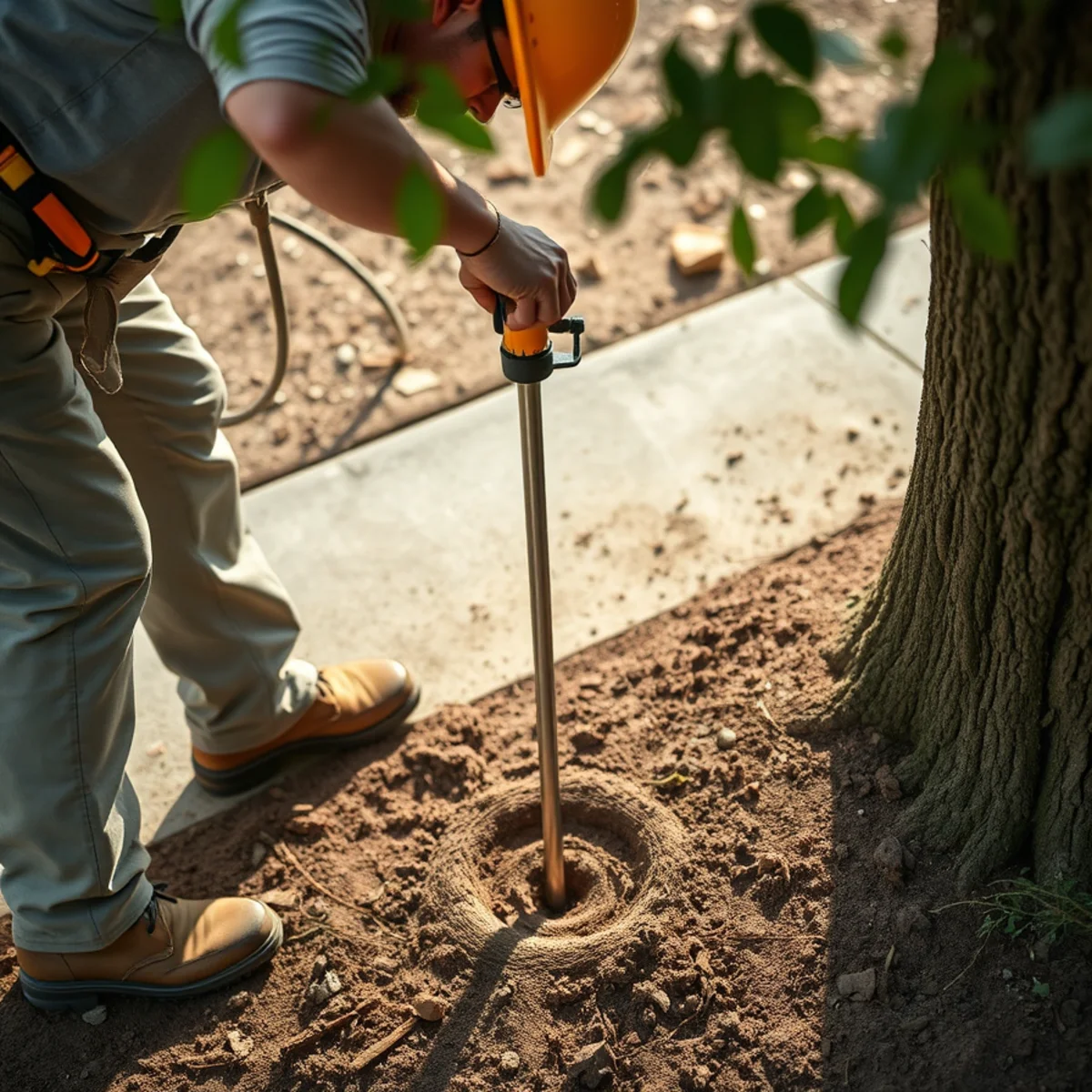
Lewisville soil belongs predominantly to the Houston Black clay series—a dense, highly alkaline (pH 7.8–8.4) clay soil. High alkalinity locks up essential iron and micronutrients in the soil, causing severe iron chlorosis in pin oaks, red oaks, and sweetgums. Deep root injection breaks through clay compaction and delivers chelated iron directly to feeder roots.
What's Included in Our Tree Health Audits & Fertilization Scope
Every proposal is fully itemized so you know precisely what equipment, labor, and safety protocols are deployed to your property:
On-site arborist analysis measuring soil compaction, nutrient availability, and chlorosis severity.
150–200 PSI hydraulic probe injections delivered in an 18-to-24-inch grid across the root zone at 6–8 inches depth.
Specialized water-soluble iron chelate formulations designed to remain bioavailable in alkaline soils up to pH 8.5.
Reintroducing symbiotic fungi and humic acid to stimulate microscopic hair root growth and drought endurance.
Recommendations for root flare excavation (air spading) for severely compacted, suffocated root collars.
Tailored watering protocols designed to sustain root moisture through brutal 100°F+ North Texas heat waves.
Warning Signs You Need Tree Health Audits & Fertilization
Inspect your trees for these critical warning signs before moderate North Texas windstorms cause catastrophic limb failure:
Our Structured 4-Step Arborist Process
Every project follows strict ANSI A300 arborist standards to ensure maximum safety for your residence and ground structures:
Soil & Foliage Diagnostic Testing
We analyze soil pH, compaction levels, and leaf samples to identify specific mineral deficiencies (such as iron or manganese chlorosis).
High-Pressure Sub-Surface Soil Injection
Using specialized hydraulic probes, we inject liquid nutrients 6 to 8 inches deep into the soil at 150–200 PSI across the tree's drip line.
Bio-Stimulant & Mycorrhizae Inoculation
We introduce beneficial mycorrhizal fungi and humic acid to rebuild beneficial soil microbial ecology in dense clay.
Follow-Up Monitoring & Seasonal Regimen
We document seasonal canopy response and provide customized seasonal deep-watering guidelines to protect trees during heat waves.
Key Factors That Determine Pricing
We believe in transparent, upfront estimates without hidden surprise charges. Final project investments are calculated based on these physical variables:
Why North Texas Homeowners Choose YardaBella for Tree Health Audits & Fertilization
We combine heavy commercial rigging capacity with surgical landscape care, ensuring your property is left safer, healthier, and cleaner than we found it.
ISA Certified Arborist Formulations
Customized low-salt, slow-release formulas engineered specifically for alkaline North Texas Blackland clay.
Commercial High-Pressure Hydraulic Equipment
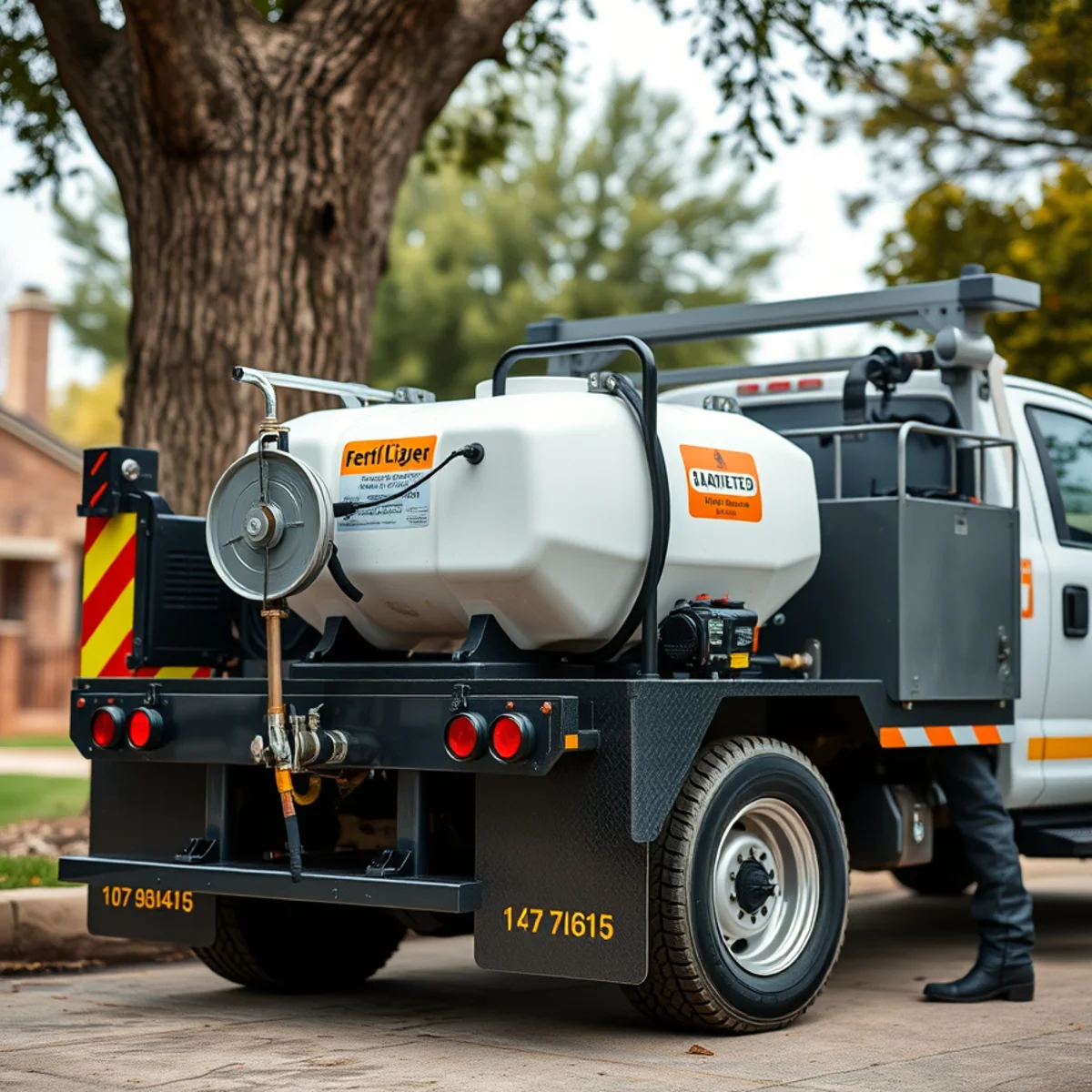
Professional high-volume tanks and soil injection needles capable of penetrating rock-hard summer clay beds.
$2M General Liability Insurance
Full protection for your residential lawn, delicate flower beds, and underground irrigation systems.
Direct Root-Zone Delivery
We feed the tree's feeder roots directly beneath turf grass, preventing grass weeds and turf from stealing the nutrients.
Measurable Single-Season Canopy Recovery
Visible improvement in leaf color, foliage density, and twig elongation within 4 to 8 weeks.
North Texas Service Area & Local Dispatch for Tree Health Audits & Fertilization
YardaBella LLC Home Services provides professional deep root fertilization, iron chlorosis treatments, and arborist tree health audits across Lewisville, TX and surrounding North Texas communities including Flower Mound, Highland Village, Carrollton, Coppell, Corinth, Grapevine, and Southlake. If your prized shade trees are showing yellowing leaves, sparse canopies, or drought stress, call our arborist diagnostic team at (855) 615-0568 to schedule a root-zone health assessment.
Frequently Asked Questions About Tree Health Audits & Fertilization
What is the difference between deep root fertilization and lawn fertilizer?↓
When is the best time to fertilize trees in North Texas?↓
Can deep root fertilization save a dying tree?↓
Why do red oaks in Lewisville turn yellow in mid-summer?↓
Will the injection probes damage underground sprinkler pipes?↓
How often should mature trees receive deep root fertilization?↓
Related Articles & Safety Guides
Deep Root Fertilization: How to Save Stressed Hardwoods from Texas Summer Heat
How Texas Blackland Prairie Clay Soils Cause Mature Trees to Uproot in Summer
How to Identify Oak Wilt in North Texas Before It Spreads to Your Entire Neighborhood
Need Fast Assistance in Denton County?
Our bucket truck and crane crews operate out of Lewisville, TX with rapid response across all adjacent cities.
Complementary Tree Services
Local Dispatch Radius
We offer tree health audits & fertilization across Denton, Dallas, Collin, and Tarrant counties including:
Protect Your Property with Professional Tree Health Audits & Fertilization
Speak with our Lewisville tree care experts today. Receive an honest, itemized estimate with zero pressure.