
How to Identify Oak Wilt in North Texas Before It Spreads to Your Entire Neighborhood
To identify oak wilt in North Texas, inspect live oak leaves for 'veinal necrosis'—where central leaf veins turn yellow or bronze while the surrounding leaf stays green. In red oaks, look for rapid canopy wilting where the entire tree browns and dies within 2 to 4 weeks. Report symptoms immediately to an arborist before root grafts spread the fungus to neighboring trees.
What Is Oak Wilt and How Does It Spread?
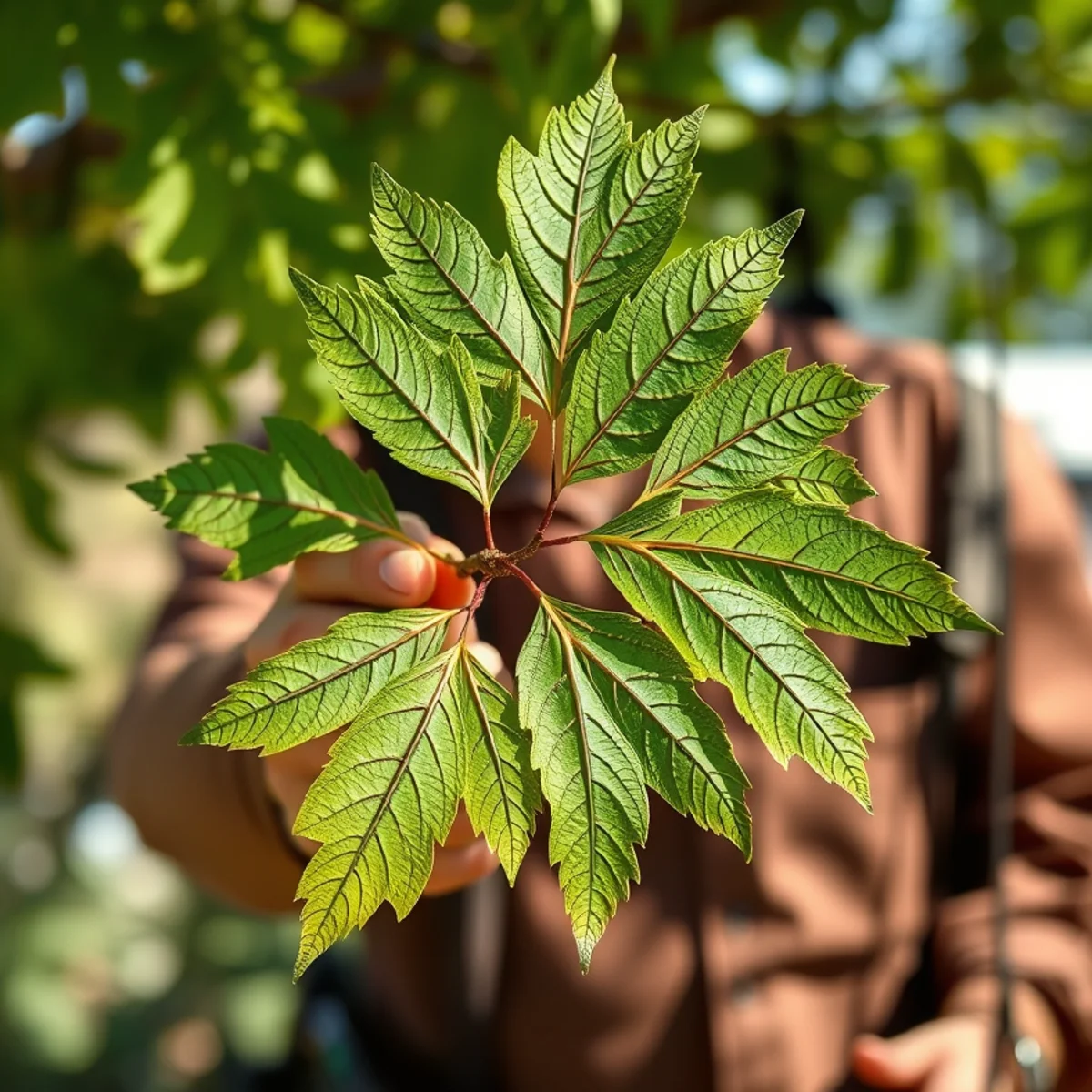
Oak wilt, caused by the virulent vascular fungus Ceratocystis fagacearum, is responsible for the destruction of millions of oaks across Central and North Texas. The fungus invades the water-conducting xylem vessels of the tree, prompting the tree to produce tyloses and gums that plug its own vascular system, essentially dying of internal thirst.
Oak wilt spreads in two distinct manners: above-ground via nitidulid sap beetles that feed on fungal mats produced on dying red oaks, and underground through naturally grafted root networks connecting adjacent oak trees.
Because oak root systems in residential subdivisions and wooded acreage naturally fuse together underground, the fungal pathogen moves through interconnected root grafts like wildfire, expanding outward in an infection ring at a rate of 75 to 100 feet per year.
Recognizing the Signature Symptoms in Live Oaks vs. Red Oaks
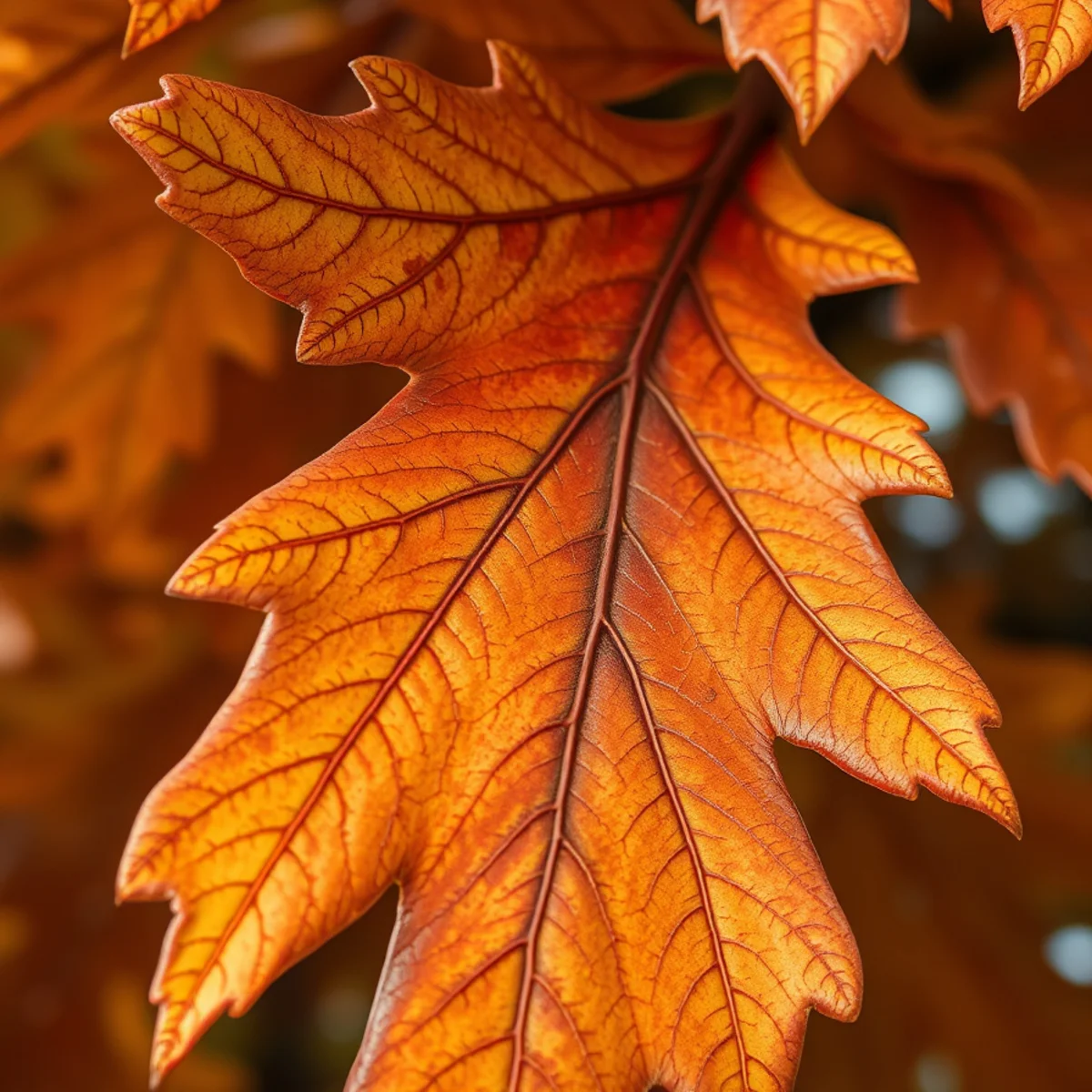
Symptoms differ dramatically by oak species: In Live Oaks, look for veinal necrosis—the leaves turn yellow or bronze along the central midrib and lateral veins while the rest of the leaf tissue remains green. Leaves drop rapidly, leaving a carpet of foliage on the lawn.
In Texas Red Oaks (Spanish oak, Shumard oak, blackjack oak), the disease is lightning fast. Foliage turns dull pale green, wilts, bronzes, and the tree can drop its entire canopy and die completely within 2 to 4 weeks. Dying red oaks also produce sweet-smelling fungal mats beneath their bark in spring.
White oak species (bur oak, chinquapin oak, post oak) are significantly more resistant to oak wilt. While individual branches may show localized leaf scorch, white oaks rarely suffer systemic collapse or transmit the disease through root grafts.
Differentiating Oak Wilt from Drought Scorch and Hypoxylon Canker
Many North Texas homeowners mistake drought stress or hypoxylon canker for oak wilt. Drought scorch causes leaf margins to brown uniformly from the tips inward, while the leaf veins remain green—the exact opposite of oak wilt's veinal necrosis.
Hypoxylon canker affects drought-stressed oaks and produces dry, brittle branches with peeling outer bark revealing silvery-black fungal crusts on the trunk. An ISA Certified Arborist with plant pathology training can distinguish these conditions on-site using branch sapwood vascular inspection.
Containment and Prevention: Trenching and Macro-Infusion
Halting an active oak wilt center requires aggressive intervention: (1) Root Graft Trenching: A commercial vibratory plow cuts 4 to 5 feet deep through clay, severing root connections 100 feet ahead of the infection line; (2) Alamo Fungicide Injections: Healthy oaks within the danger zone receive pressurized root flare infusions of propiconazole; and (3) Strict Pruning Windows: Never prune oaks between February 1 and June 30.
Whenever pruning must occur outside the restriction window, every single cut wound must be painted immediately with pruning sealer or latex paint within 15 minutes to block nitidulid beetles.
| Oak Family | Typical Symptoms | Speed of Decline | Survival & Treatment Prognosis |
|---|---|---|---|
| Red Oak Group (Shumard, Spanish) | Canopy bronzing, rapid defoliation, fungal mats | 2 to 4 weeks (catastrophic) | Fatal; immediate sanitary removal required |
| Live Oak Group | Veinal necrosis (yellow/brown veins, green leaf) | 1 to 6 months | Manageable with Alamo macro-infusion + trenching |
| White Oak Group (Bur, Post, Chinquapin) | Localized branch flag dieback, marginal scorch | Slow (years), often resistant | High survival; isolate diseased branch unions |
Texas A&M Forest Service research proves that nitidulid sap beetles can detect the volatile chemical compounds emitted by a freshly cut oak limb within 10 to 15 minutes of the cut. These beetles carry microscopic fungal spores from infected spore mats directly onto fresh vascular wounds.
Whether a limb is trimmed by an arborist or severed accidentally by a storm gust, applying a uniform coat of wound paint or spray sealant immediately seals the xylem vessels and halts beetle attractant odors. Never delay wound painting until the end of the work day.
Need Direct Local Assistance in Lewisville or DFW?
Our certified arborist crews provide on-site diagnostics, hazardous branch trimming, and emergency tree removal. Call our Lewisville dispatch desk 24 hours a day at (855) 615-0568.
Frequently Asked Questions
Can a tree with oak wilt be saved in Texas?↓
Why is oak pruning banned between February 1 and June 30 in North Texas?↓
What is veinal necrosis on a live oak leaf?↓
How deep must an oak wilt containment trench be?↓
Can I use firewood from a tree that died of oak wilt?↓
Related Services & Local Coverage
Explore our professional solutions and municipal dispatch zones connected to this guide: