
Why You Must Keep Tree Branches at Least 6 to 10 Feet Away from Your Roof in Texas
In Texas, tree branches must be kept at least 6 to 10 feet away from your roof to prevent structural abrasion, moisture-induced shingle rot, and pest infestations. High North Texas wind gusts whip limbs against roofs, stripping ceramic shingle granules, while dense shade traps humidity and creates direct travel bridges for destructive roof rats and squirrels.
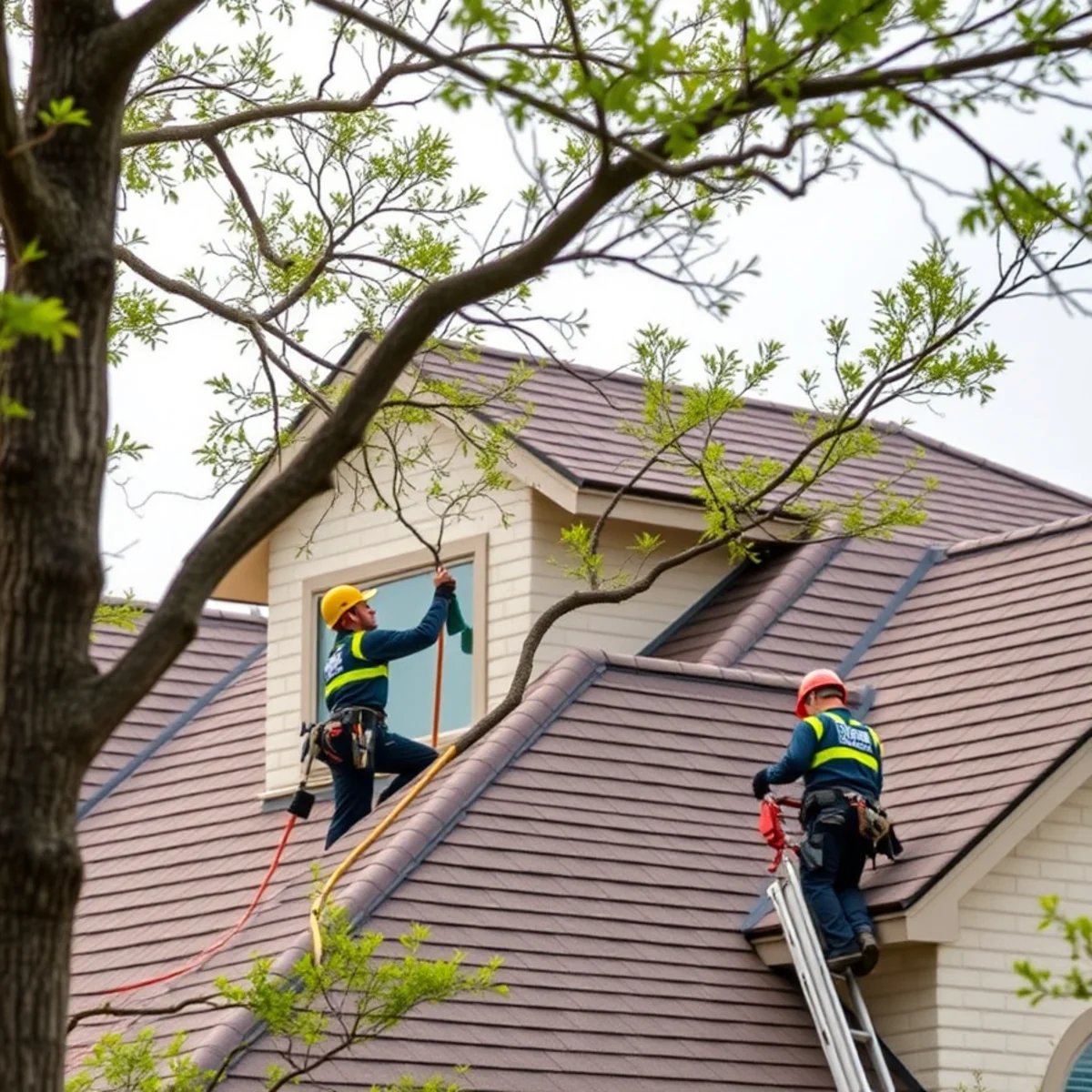
The Triple Threat: Shingle Abrasion, Moisture Rot, and Gutter Blockages
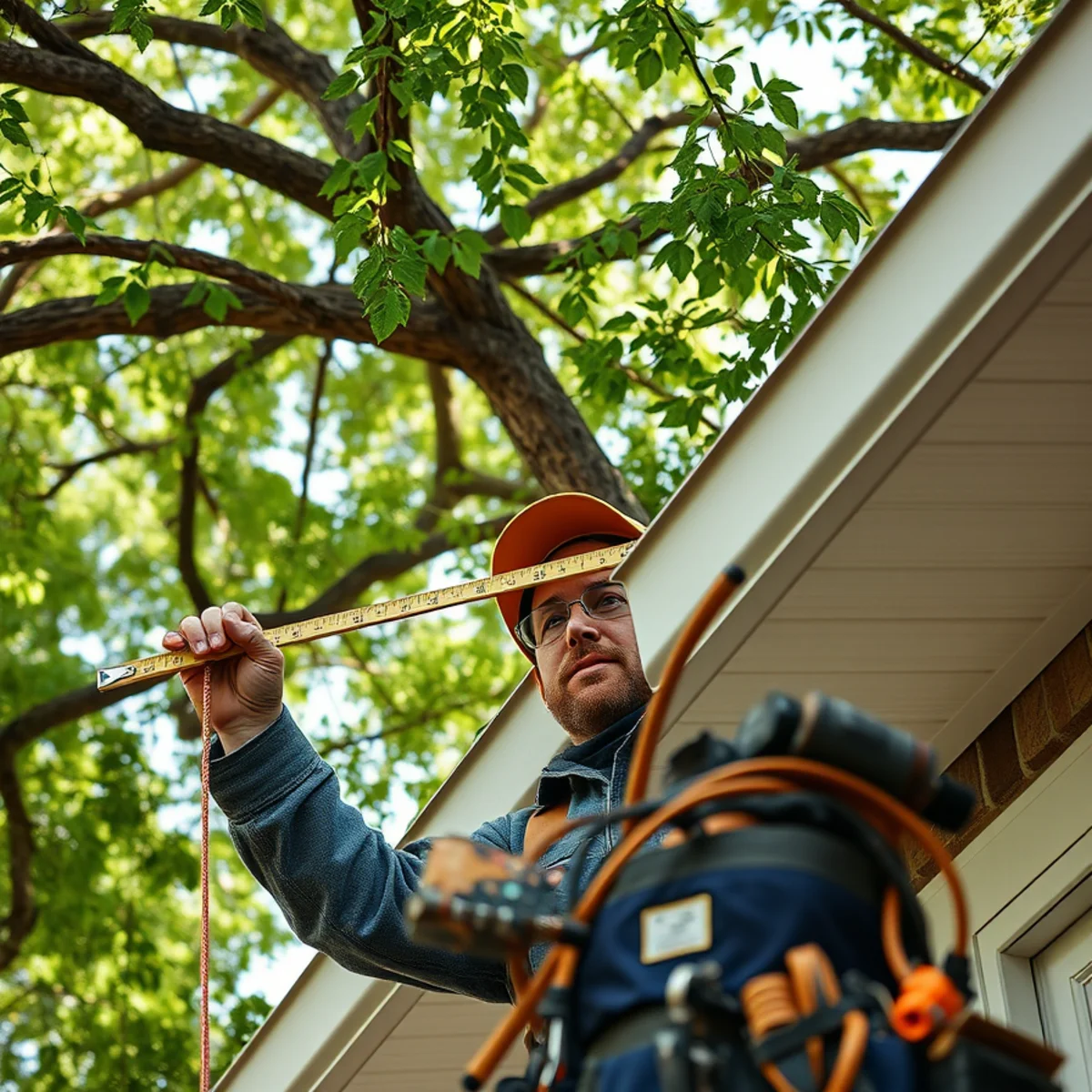
North Texas homeowners often admire the cooling shade of a sprawling live oak or cedar elm reaching over their home. However, allowing tree branches to encroach within 6 feet of your roof decking creates serious structural, moisture, and pest liabilities.
First, shingle abrasion: during sustained 30 to 50 mph North Texas wind gusts, heavy tree limbs act like sandpaper against asphalt architectural shingles. Branches scrape away the protective ceramic granules that shield shingles from ultraviolet radiation. Once granules are stripped, asphalt underlayments dry out, crack, and fail, causing leaks in minor rainstorms.
Second, moisture retention and wood rot: dense canopy foliage hanging directly over north-facing roof slopes prevents sunlight from drying morning dew and storm precipitation. Damp, shaded shingles cultivate green moss and black Gloeocapsa magma algae, which trap moisture against roof decking and rot eaves, fascia boards, and rafter tails.
Third, catastrophic gutter clogging: overhanging branches drop continuous seasonal debris—spring catkins, summer leaf shed, and autumn acorns—filling gutters to overflowing and forcing roof runoff behind siding and into foundation perimeters.
Roof Rats and Wildlife: How Overhanging Limbs Create Highway Bridges
One of the most persistent residential pest issues in Denton and Collin counties is the roof rat (Rattus rattus). Agile climbers by nature, roof rats avoid open ground where coyotes, domestic pets, and owls hunt. Instead, they use tree branches as elevated superhighways to reach residential rooflines.
A tree branch within 4 feet of an eave or roof slope is an open door for pests. Once on the roof, roof rats, squirrels, and raccoons chew through plastic ridge vents, wooden soffits, and lead plumbing pipe flashings to establish warm nesting colonies in residential attics.
Inside attics, rodents gnaw electrical wiring insulation (a major cause of mysterious house fires), contaminate fiberglass batting with droppings, and chew through PEX water supply lines. Establishing a clean 8 to 10-foot vertical and horizontal clearance eliminates this elevated access bridge entirely.
The Physics of Wind Whip: Why 3 Feet of Clearance Fails in Severe Storms
Homeowners frequently ask: 'Can't you just trim the branch back 2 or 3 feet from the shingles?' The answer lies in the physics of wind whip and mechanical leverage. In calm weather, a branch trimmed 3 feet away appears safe. However, in North Texas thunderstorms and winter squalls, wind speeds frequently gust from 50 to 70 mph.
Under high aerodynamic drag, long hardwood limbs flex dramatically. A 15-foot limb can easily deflect 4 to 6 feet laterally and downward under storm loads. If the branch was only given 3 feet of clearance, it will repeatedly slam into gutters, shatter perimeter ridge tiles, or puncture roof decking during storms.
Maintaining an arborist-certified 8 to 10-foot air buffer provides the safety margin required to absorb violent wind sway without risking home contact.
Proper Canopy Elevation Techniques: Preserving Tree Balance While Protecting the Roof
Clearing a roof does not mean brutally 'hacking off' one side of a tree. Unskilled tree trimmers often create an unbalanced canopy by shearing off all limbs on the house side, leaving the tree structurally lopsided and vulnerable to uprooting away from the home.
Professional canopy elevation relies on directional reduction pruning per ANSI A300 standards. Certified arborists make selective cuts back to lateral branches that are at least one-third the diameter of the parent limb. This redirects future branch growth away from the roof while preserving the tree's natural shape, center of gravity, and photosynthetic capacity.
In addition, elevating lower scaffold limbs improves yard airflow and allows sunlight to reach your turfgrass, creating a healthier, pest-free landscape surrounding your home.
| Clearance Distance | Wind Contact Risk | Shingle Abrasion | Rodent Attic Access | Insurance & Maintenance Status |
|---|---|---|---|---|
| 0 to 3 Feet (Encroaching) | Severe (constant contact in storms) | Heavy granule stripping & leaks | High (direct bridge for roof rats) | Action Required (will fail home inspection) |
| 4 to 6 Feet (Marginal) | Moderate (contact in 50+ mph gusts) | Localized scuffing & algae dampness | Moderate (rodents jump 4 ft horizontally) | Borderline (prune within 6 months) |
| 8 to 10 Feet (Optimal) | Near Zero (safe against severe gusts) | Dry, sunlit shingles; no wear | Eliminated (exceeds pest jumping range) | Compliant with roofing warranties & arborists |
| 12+ Feet (Large Canopy) | Zero storm contact risk | Optimal solar roof performance | Completely isolated roof plane | Ideal clearance for solar panels & tile roofs |
When removing heavy overhanging limbs above expensive tile or shingle roofs, our climbers never make a single top-down cut. Doing so causes the limb weight to peel bark down the trunk and drop uncontrollably onto the roof below.
We execute a strict three-cut protocol: (1) an undercut 12 inches out to relieve bottom tension; (2) a top relief cut 15 inches out to drop the bulk of the limb safely onto rigging ropes; and (3) a final smooth collar cut just outside the branch bark ridge. Every piece is roped down to ground handlers with friction lowering devices.
Need Direct Local Assistance in Lewisville or DFW?
Our certified arborist crews provide on-site diagnostics, hazardous branch trimming, and emergency tree removal. Call our Lewisville dispatch desk 24 hours a day at (855) 615-0568.
Frequently Asked Questions
How far back should trees be trimmed from my roof in Lewisville TX?↓
Will trimming tree limbs back from my roof harm the tree?↓
Can roof rats jump from trees onto houses in Texas?↓
Does homeowners insurance require tree limbs to be cleared from roofs?↓
How often should canopy elevation and roof clearing be performed?↓
Related Services & Local Coverage
Explore our professional solutions and municipal dispatch zones connected to this guide: